
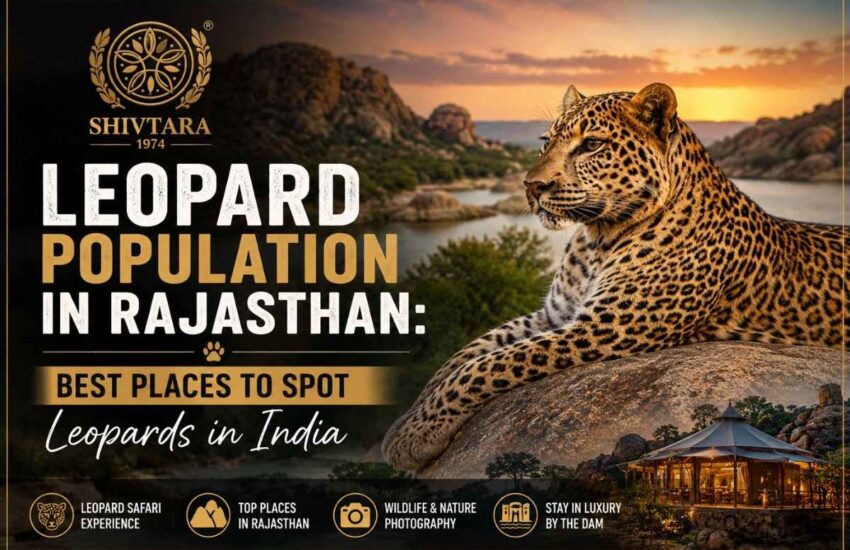
Rajasthan is often associated with forts, palaces, deserts, and royal heritage, but it is also one of India’s most fascinating wildlife destinations. Among its many natural treasures, the leopard population in Rajasthan has gained increasing attention from wildlife enthusiasts, photographers, and travelers looking for unforgettable safari experiences. These elusive big cats have adapted well to the rocky hills, dry forests, and rugged landscapes of the state, making Rajasthan one of the best places in India to witness leopards in their natural habitat.
Unlike tigers that are usually found deep inside dense forests, leopards in Rajasthan often live around granite hills, caves, and open scrublands. Their ability to survive in varied terrain has made them one of the most successful predators in this region. From Jawai to Kumbhalgarh and Ranakpur, Rajasthan offers multiple opportunities to explore the wild side of India.
Why Rajasthan Has a Healthy Leopard Population
The leopard population in Rajasthan thrives due to its ideal geography and habitat. The rocky terrain, sparse forests, and natural caves provide excellent shelter for these solitary hunters. Unlike dense forest predators, leopards are highly adaptable and can live in dry landscapes where prey such as deer, langurs, wild boars, and small mammals are available.
Another reason Rajasthan supports a stable leopard population is the coexistence between wildlife and local communities. In several areas, leopards have lived near villages for generations, creating a unique balance between humans and nature. Conservation efforts, protected wildlife zones, and eco-tourism have also played an important role in maintaining their numbers.
Jawai – The Leopard Capital of Rajasthan
When talking about leopard sightings in Rajasthan, Jawai is often the first name that comes to mind. Located in the Pali district, Jawai is famous for its dramatic granite hills, open wilderness, and rich biodiversity. The region has become one of India’s most iconic leopard safari destinations because of its high leopard visibility.
What makes Jawai special is the way leopards have adapted to the rocky caves and cliffs. These natural formations act as safe shelters and allow visitors to spot them during early morning or evening safaris. Unlike dense jungle safaris where sightings depend heavily on luck, Jawai offers comparatively better chances to witness these majestic animals.
Apart from leopards, visitors may also see crocodiles near the Jawai Dam, migratory birds, hyenas, nilgai, and several species of deer. This combination of wildlife and stunning landscapes makes Jawai a must-visit for nature lovers.
For travelers planning an immersive wildlife stay, Best Resort in Jawai offers a peaceful retreat close to nature, where guests can combine luxury with adventure.
Kumbhalgarh Wildlife Sanctuary
Kumbhalgarh is another major destination known for leopard sightings. Located around the famous Kumbhalgarh Fort, this sanctuary covers forested hills, valleys, and grasslands that provide ideal shelter for wildlife.
Leopards here are often difficult to spot because of the dense vegetation, but the sanctuary remains an important leopard habitat. Besides leopards, the region is home to wolves, sloth bears, jackals, and antelopes. Wildlife lovers visiting Kumbhalgarh often enjoy the mix of history and nature, making it one of Rajasthan’s hidden gems.
Ranakpur – A Quiet Wildlife Escape
Ranakpur is best known for its stunning Jain temples, but its surrounding forests also support leopard movement. Located close to Kumbhalgarh, this region has rugged hills and dry deciduous forests where leopards roam freely.
The quieter environment makes Ranakpur attractive for travelers who want a less commercial wildlife experience. Though sightings may not be as frequent as Jawai, the area offers scenic drives, birdwatching, and natural beauty.
Sariska Tiger Reserve
Although Sariska is primarily famous for tigers, it also supports a significant leopard population. Situated in the Aravalli hills, this reserve has dry forests, grasslands, and rocky plateaus that suit leopard behavior.
Leopards in Sariska often remain active in less crowded zones, and visitors may encounter them during jeep safaris. The reserve also protects species like sambar deer, wild boars, striped hyenas, and jungle cats.
Jhalana Leopard Reserve
Located near Jaipur, Jhalana Leopard Reserve has become one of India’s emerging leopard safari destinations. Its urban proximity makes it unique, allowing tourists to experience leopard safaris without traveling deep into remote forests.
Jhalana has reported strong leopard activity, and many visitors choose this reserve for photography and short wildlife trips. It is especially popular among travelers who want quick access to nature while visiting Jaipur.
Best Time to Spot Leopards in Rajasthan
The best time to see leopards in Rajasthan is from October to March when the weather is cooler and safari conditions are pleasant. During early mornings and evenings, leopards are more active, improving sighting opportunities.
Summer months can also be rewarding because animals often gather near water sources. However, temperatures in Rajasthan can become extremely high, so safaris should be planned carefully.
Why Jawai Stands Out Among Leopard Destinations
While Rajasthan offers several wildlife hotspots, Jawai remains one of the most remarkable places for leopard tourism. The open rocky terrain increases visibility, and the coexistence between leopards and local Rabari communities adds cultural significance to the region.
The Jawai Dam also attracts migratory birds and other wildlife, creating a broader eco-tourism experience. Photography enthusiasts often prefer Jawai because the dramatic granite backdrop provides breathtaking safari moments.
For those seeking comfort after a day of exploration, staying at a Luxury Resort in Jawai near Dam allows visitors to enjoy scenic surroundings, premium hospitality, and easy access to safari experiences.
Responsible Wildlife Tourism
As leopard tourism grows, responsible travel becomes essential. Visitors should maintain distance from animals, avoid loud noises, and respect wildlife movement. Ethical safaris help reduce disturbance and ensure these habitats remain protected for future generations.
Supporting eco-conscious resorts, local guides, and conservation-focused tourism also benefits both wildlife and surrounding communities.
Final Thoughts
The leopard population in Rajasthan highlights the state’s incredible biodiversity beyond deserts and heritage sites. From the granite hills of Jawai to the forests of Kumbhalgarh, Ranakpur, Sariska, and Jhalana, Rajasthan offers exceptional opportunities to witness these powerful predators in their natural environment.
For wildlife enthusiasts, photographers, and adventure seekers, spotting a leopard in Rajasthan is more than just a safari experience. It is a rare connection with one of India’s most elusive and graceful big cats. Among all destinations, Jawai continues to stand out as a place where raw wilderness, breathtaking landscapes, and unforgettable leopard sightings come together in one extraordinary journey.

