
Rajasthan is often associated with Jaipur’s royal palaces, Udaipur’s beautiful lakes, and Jodhpur’s historic forts. While these destinations introduce international travelers to India’s architectural heritage, there is another side of Rajasthan that remains less familiar to many visitors.
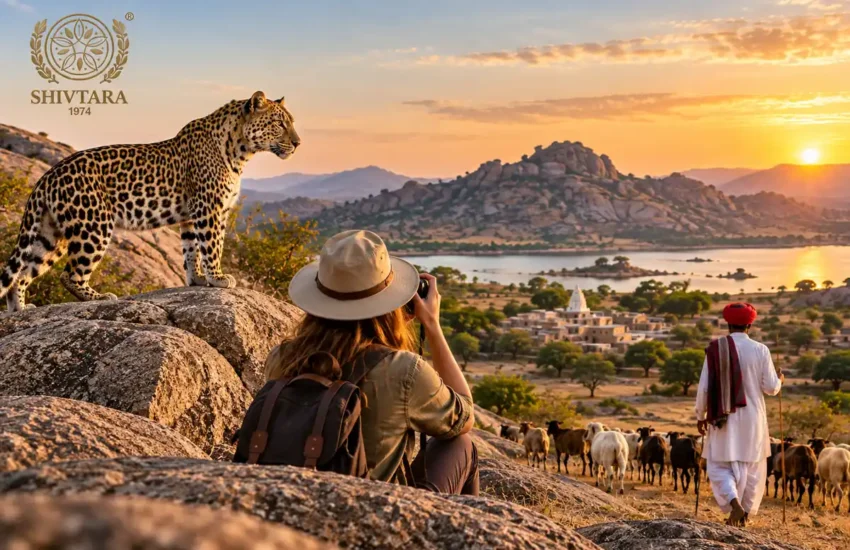
Jawai, located in the Pali district of Rajasthan, offers an opportunity to experience the region through its wildlife, rural communities, and distinctive natural landscapes. Known for its free-ranging leopards, ancient granite hills, and traditional Rabari culture, Jawai provides a different perspective on Indian travel.
For foreign travelers interested in exploring beyond conventional sightseeing routes, Jawai combines wildlife observation, cultural understanding, and peaceful surroundings within one destination.
Where Is Jawai and Why Should International Travelers Visit?
Jawai lies between Udaipur and Jodhpur in western Rajasthan. Its location makes it a practical addition to itineraries covering Rajasthan’s major heritage destinations.
Unlike the crowded streets and historic monuments of Rajasthan’s popular cities, Jawai is characterized by open countryside, granite rock formations, agricultural fields, and traditional villages.
The region is particularly interesting because leopards inhabit rocky hills close to human settlements. This unusual landscape creates opportunities to understand how wildlife and rural communities share natural resources.
International visitors can explore Jawai through guided leopard safaris, birdwatching excursions, village experiences, and nature photography.
However, Jawai should not be approached simply as another attraction to complete within a busy itinerary. Its character becomes more apparent when travelers allow time to understand the landscape and local way of life.
Leopard Safaris in Jawai: A Different Wildlife Experience
One of Jawai’s main attractions is its leopard population.
Unlike tiger safaris in forested national parks, leopard safaris in Jawai generally take place across rocky terrain, open landscapes, and granite hills where these elusive predators find natural shelter.
Leopards are adaptable animals that use caves, rock crevices, and elevated surfaces for resting and observing their surroundings.
Guided safaris provide opportunities to observe these animals from appropriate distances while learning about their behaviour and habitat.
For international travelers, the experience can feel quite different from wildlife excursions in Africa or other parts of India.
Jawai is not a conventional enclosed safari park. Wildlife moves freely through the landscape, and sightings depend on animal movements, weather conditions, and the knowledge of local guides.
A leopard sighting is never guaranteed, and responsible operators should never promise one.
Morning and evening excursions are commonly preferred because temperatures are generally more comfortable and wildlife may be more active.
Understanding the Rabari Community and Its Traditions
Wildlife is only one part of Jawai’s identity.
The region is also associated with the Rabari community, traditionally known for livestock herding and pastoral livelihoods.
For generations, Rabari families have maintained relationships with the surrounding landscape through grazing practices, seasonal movement, and livestock management.
Traditional clothing, jewellery, customs, and pastoral knowledge remain important aspects of Rabari cultural heritage, although lifestyles vary between families and communities.
International travelers may encounter shepherds moving livestock through grazing grounds or observe village activities during guided cultural visits.
These experiences can provide insight into rural Rajasthan beyond the familiar images of royal palaces and colourful markets.
However, cultural tourism should always be approached respectfully.
Visitors should ask permission before photographing residents, avoid entering private property without consent, and remember that village communities are living their everyday lives rather than performing for tourists.
The Remarkable Relationship Between Leopards and Local Communities
Perhaps the most fascinating aspect of Jawai is the coexistence of people and leopards within the same landscape.
In many parts of the world, large predators and human settlements are separated by protected boundaries. Jawai presents a different situation, where rocky leopard habitats exist close to villages and grazing grounds.
Local cultural beliefs and traditions have influenced attitudes toward wildlife over generations.
However, coexistence does not mean that conflicts never occur. Livestock losses, habitat pressures, and concerns about safety remain important considerations.
Understanding both the cultural tolerance and practical challenges provides a more realistic picture of conservation in Jawai.
For foreign visitors interested in responsible wildlife tourism, this relationship offers an opportunity to learn how conservation extends beyond national parks.
Where to Stay in Jawai for a Comfortable Wildlife Holiday
Accommodation plays an important role in planning a wildlife-focused journey, particularly for international travelers unfamiliar with rural Rajasthan.
Jawai offers different accommodation styles, including boutique properties, safari camps, and resorts surrounded by natural landscapes.
When researching the best resort in Jawai for a comfortable stay, travelers should consider location, room facilities, safari arrangements, transportation assistance, and access to knowledgeable local guides.
It is also useful to confirm whether safari excursions, meals, and transfers are included in the accommodation price or charged separately.
Travelers considering a luxury resort stay in Jawai may prefer accommodation that provides privacy, comfortable rooms, and opportunities to relax between wildlife excursions.
Rather than choosing solely on appearance, international guests should check recent reviews, booking conditions, cancellation policies, and available services.
Beyond Leopards: Other Experiences Worth Exploring
Jawai offers several activities beyond its famous leopard safaris.
Birdwatching at Jawai Dam: The reservoir and surrounding wetlands attract resident and migratory birds. Depending on the season and water conditions, visitors may observe waterbirds, kingfishers, herons, and various raptors.
Landscape photography: Jawai’s granite hills, open countryside, and changing light create distinctive photographic opportunities, particularly around sunrise and sunset.
Village experiences: Respectfully arranged cultural visits can introduce travelers to regional traditions, local livelihoods, and rural life.
Wildlife observation: Beyond leopards, the wider landscape supports species such as crocodiles, hyenas, jackals, and various reptiles, although sightings vary.
These experiences help visitors appreciate Jawai as a complete destination rather than focusing exclusively on one animal.
Best Time to Visit Jawai for Foreign Travelers
The most comfortable period for many international visitors is generally October to March.
During these months, daytime temperatures are usually more suitable for outdoor activities, while winter also brings opportunities to observe migratory birds.
April to June can be considerably hotter, making early morning and evening activities preferable.
The monsoon season, generally between July and September, changes the appearance of the landscape as vegetation becomes greener. However, rainfall can affect road conditions and safari availability.
Visitors should confirm seasonal safari operations before booking.
How to Include Jawai in a Rajasthan Travel Itinerary
Jawai can be incorporated into a broader Rajasthan journey without significantly changing a traditional travel route.
International travelers visiting Udaipur and Jodhpur can consider spending two nights in Jawai between these destinations.
A suggested itinerary includes arriving on the first day, enjoying an evening safari, taking an early morning wildlife excursion on the second day, and exploring local culture or birdwatching opportunities afterward.
Travelers with additional time can spend a third day photographing landscapes or enjoying a more relaxed schedule.
Udaipur and Jodhpur are commonly used as airport gateways, while Jawai Bandh is a nearby railway station. Road transfers should be arranged according to the exact accommodation location.
Practical Travel Tips for International Visitors
A little preparation can make a Jawai visit more comfortable.
Carry suitable sun protection, neutral-coloured safari clothing, comfortable footwear, drinking water, personal medication, and a camera or binoculars.
International visitors should also confirm passport and visa requirements for India before departure.
Mobile connectivity may vary in rural areas, so downloading offline maps and keeping accommodation contact details available is useful.
Most importantly, follow guide instructions, maintain safe distances from wildlife, and avoid disturbing animals or local communities.
Conclusion
Jawai offers international travelers an opportunity to discover Rajasthan beyond its famous forts, palaces, and established tourist routes.
Its granite hills, leopard habitats, traditional Rabari communities, and rural landscapes reveal a side of the state that is closely connected to nature and everyday life.
Rather than promising guaranteed wildlife encounters or staged cultural experiences, Jawai rewards curiosity, patience, and responsible exploration.
For travelers seeking an understanding of Rajasthan’s wildlife, heritage, and living traditions, Jawai can become one of the most meaningful stops on an Indian journey.

